Welcome
It looks like you are in United States (US), would you like to visit our US site?

No, keep me on Revolution Nutrition Canada


Shorter days, colder air and more time indoors make fall the start of cold and flu season. Your immune system doesn't need a miracle product to keep up. It needs the right raw materials, consistently: enough vitamin D, enough zinc, a solid overall diet, and the sleep and recovery that let it all work.
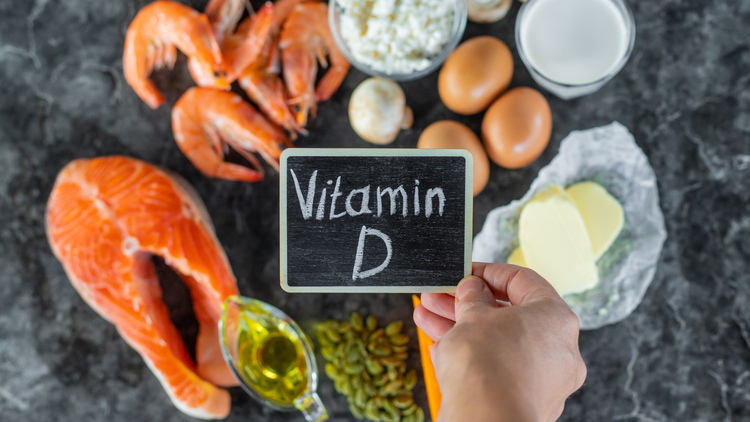
Vitamin D helps activate immune cells and supports the body's first line of defence against respiratory infections. Research suggests people with low vitamin D levels are more prone to colds and flu, and that daily supplementation can modestly reduce respiratory infections, especially in people who start out deficient.
The problem is timing. Your skin makes vitamin D from UVB sunlight, but above roughly 40° latitude (think Montreal, Toronto, New York or Chicago), the sun is too low from about October to March to make meaningful amounts. Add jackets and indoor days, and levels drop just as cold season starts.
How much you need
Best food sources
Tip: Vitamin D is fat-soluble, so take your supplement with a meal that contains some fat. Daily dosing appears to work better for immunity than large weekly or monthly doses.
Zinc is essential for developing and activating white blood cells, and even a mild shortfall can weaken immune response. Athletes and active people can lose extra zinc through sweat, and plant-based eaters absorb less of it because of phytates in grains and legumes.
Zinc is also one of the few nutrients with evidence for shortening a cold. Studies on zinc acetate or gluconate lozenges, started within 24 hours of the first symptoms, show colds can end a few days sooner. Taking zinc daily "just in case" at high doses is a different story, and not recommended.
How much you need
Best food sources
Tip: Zinc lozenges can cause nausea or a metallic taste, and zinc nasal sprays should be avoided because they've been linked to loss of smell.
Vitamin D and zinc get the headlines, but immunity depends on your whole diet. These four deserve a spot on your plate this fall.
Nutrient | Why it matters | Daily target (adults) | Easy sources |
| Vitamin C | Supports immune cell function; regular intake may slightly shorten colds | 75 mg (women), 90 mg (men); add 35 mg if you smoke | Bell peppers, kiwi, citrus, broccoli, strawberries |
| Protein | Antibodies and immune cells are built from amino acids | About 1.2–2.0 g per kg body weight for active people | Lean meat, fish, eggs, Greek yogurt, tofu, protein powder |
| Omega-3 fats | Help regulate inflammation | 2 servings of fatty fish per week | Salmon, sardines, walnuts, chia and flax seeds |
| Probiotics and fibre | Around 70% of immune tissue sits in the gut | 25–38 g fibre | Yogurt, kefir, sauerkraut, kimchi, oats, beans, vegetables |
Training hard? Very intense or long sessions can temporarily suppress immunity. Eating enough total calories and carbohydrates around workouts, and getting a protein-rich meal or shake afterward, helps your body recover without leaving you run down.

No supplement can make up for running on empty. These habits amplify everything above.
Putting it together doesn't require anything fancy. Here's what one day can look like:
Meal | What to eat | Immune nutrients covered |
| Breakfast | 2 eggs, whole-grain toast, kiwi, coffee with fortified milk | Vitamin D, protein, vitamin C, zinc |
| Snack | Greek yogurt or kefir with pumpkin seeds and berries | Probiotics, protein, zinc, vitamin C |
| Lunch | Lentil and vegetable soup with a chicken or turkey sandwich | Zinc, protein, fibre |
| Post-workout | Protein shake with a banana | Protein, carbohydrates for recovery |
| Dinner | Baked salmon, roasted sweet potato, steamed broccoli and red peppers | Vitamin D, omega-3s, vitamin C |
| Evening | Herbal tea and a handful of walnuts | Hydration, omega-3s |
A strong fall immune system comes from consistency, not quick fixes. Top up your vitamin D through the darker months, get enough zinc from food (and keep lozenges handy for the first sign of a cold), build your meals around protein, colourful produce and gut-friendly foods, and protect your sleep. Do these things daily and you give your body the best chance to stay healthy and keep training all season.
This article is for general information only and is not medical advice. Talk to your doctor or a registered dietitian before starting new supplements, especially if you are pregnant, take medication or have a health condition.
Please fill in your details to start.
Hi there! 👋
I am Revolution Nutrition's customer support! How are you today?